Upgrade Your Exterior Today With Custom Color Matching and Precision Workmanship
Why Shady Hollow Homes Demand Thoughtful Exterior Solutions
The Character That Defines This Hill Country Neighborhood
Nestled in the southwest corner of Austin, this Hill Country neighborhood offers homeowners a rare combination: proximity to urban amenities while maintaining the quiet, wooded character of a rural retreat. The community’s appeal lies in its mature live oak canopy, rolling terrain, and mid-century to contemporary architectural styles that reflect decades of thoughtful residential development. Families who settle here value the established tree cover, generous lot sizes, and the sense of privacy that comes from living among natural features rather than cookie-cutter subdivisions.
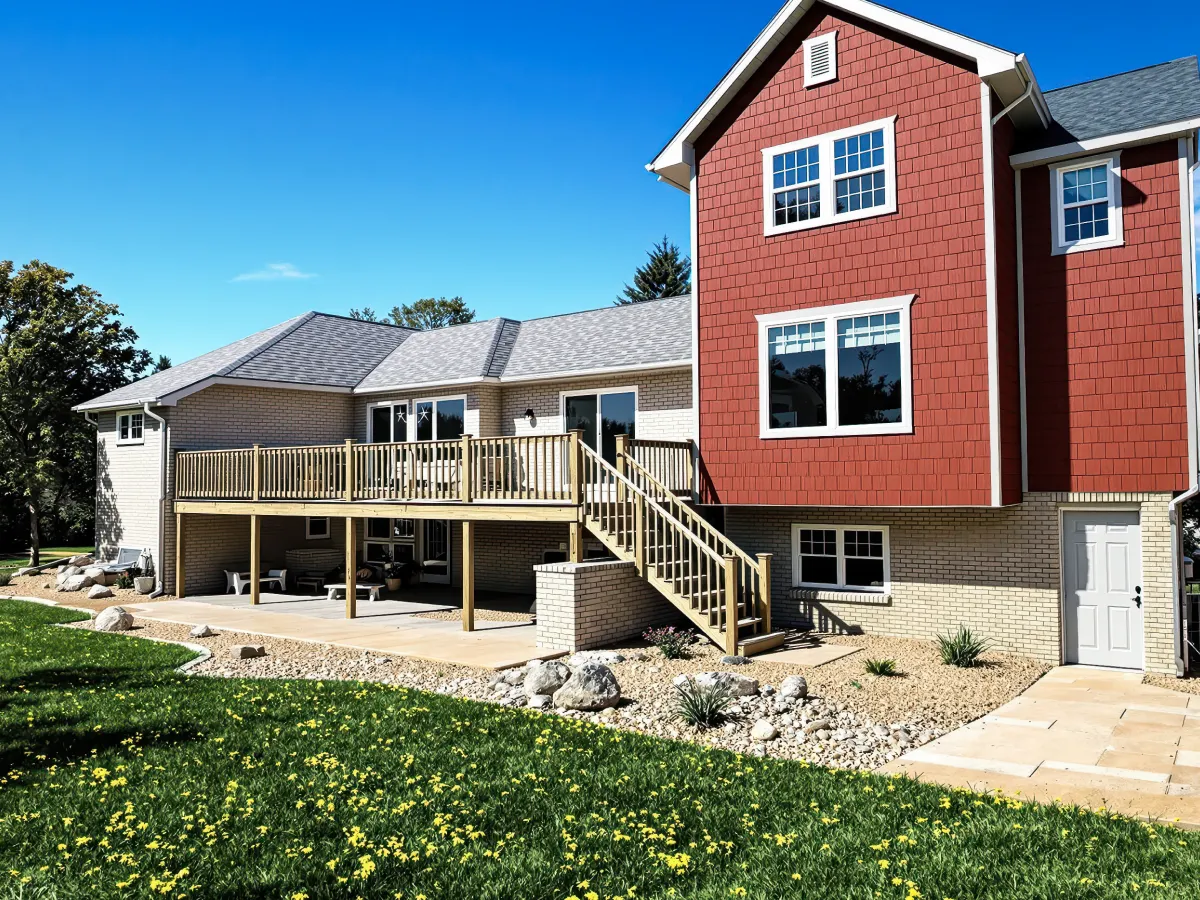
The homes reflect a broad range of design preferences, from classic Texas ranch layouts with horizontal siding and stone accents to more modern updates featuring fiber cement panels and board-and-batten details. Many properties sit on sloped lots that take advantage of elevation changes, creating varied rooflines and diverse exterior exposures. This topography also means that exterior materials must handle water runoff, sun exposure on southern elevations, and shade-induced moisture retention on northern faces, all within the same property. Understanding these site-specific conditions is the first step in making smart decisions about exterior care and upgrades.
Homeowners here tend to be long-term residents who invest in their properties over time. The neighborhood’s maturity means that many homes are reaching the age where original siding, roofing, and window systems need replacement or significant upgrades. At the same time, newer buyers are eager to refresh dated exteriors to match contemporary aesthetics while improving energy efficiency and durability. Whether preserving the timeless appeal of an established home or modernizing an older structure, exterior improvements play a central role in maintaining property value and livability in this sought-after area.
Climate and Environmental Factors Affecting Local Homes
The Austin area presents a unique set of environmental challenges for exterior materials, and homes in this neighborhood experience them all. Summer heat regularly pushes into the upper 90s and beyond, with southern and western elevations bearing the brunt of intense UV exposure. This sustained heat causes paint to fade, vinyl siding to warp, and asphalt shingles to age prematurely. At the same time, the shade provided by the area’s signature oak canopy creates pockets of constant moisture on north-facing walls and under eaves, encouraging mildew growth and organic staining on siding, trim, and gutters.
Rainfall patterns add another layer of complexity. When storms arrive, they often come quickly and intensely, overwhelming gutters that are clogged with oak leaves and debris. During the dry months, the clay-heavy soil contracts and shifts, stressing foundation-level trim and creating gaps where water can infiltrate during the next downpour. Homes on sloped lots face additional water management challenges, as runoff from uphill areas can pool against foundation walls or saturate lower-elevation siding if drainage systems are not properly maintained or designed.
Wind is another factor that homeowners learn to respect. While not as severe as in open prairie regions, gusts during spring and fall storms can lift roof shingles, stress gutter hangers, and drive rain horizontally into siding seams and window perimeters. These conditions make the choice of exterior materials and the quality of installation critical. A roof or siding system that performs adequately in a milder climate may fail prematurely here if it is not selected and installed with local conditions in mind. Understanding these environmental realities helps homeowners plan upgrades that will last and protect their investment for years to come.
The Value of Upgrading Your Home’s Exterior Envelope
For homeowners in this neighborhood, exterior improvements deliver benefits that go far beyond cosmetic appeal. The right siding, roofing, window, and gutter systems protect the structure itself, reducing the risk of water intrusion, pest infiltration, and energy loss. In a climate where air conditioning runs for six months or more each year, upgrading to energy-efficient windows and properly insulated siding can lower utility bills significantly. Similarly, a well-ventilated roof system with quality underlayment and architectural shingles keeps attic temperatures manageable and extends the life of both the roofing materials and the HVAC system below.
Curb appeal is equally important in a mature neighborhood where homes are well-maintained and property values remain strong. A fresh exterior signals to neighbors and potential buyers that the home has been cared for, while outdated or deteriorating siding, faded paint, and sagging gutters suggest deferred maintenance that can hurt resale value. Upgrading to modern materials like fiber cement siding or standing seam metal roofing not only improves aesthetics but also communicates durability and quality. These materials resist the fading, cracking, and warping that plague older systems, ensuring that your home looks sharp year after year with minimal upkeep.
Water management is another critical benefit. Properly functioning gutters, downspouts, and fascia systems channel water away from the foundation, preventing soil erosion, foundation movement, and basement or crawlspace moisture. In a neighborhood with sloped lots and clay soils, this is not optional. Homes that neglect gutter maintenance or use undersized systems often experience recurring drainage problems, stained siding, and rotted trim. Investing in seamless gutters, adequate downspout placement, and periodic cleaning protects the entire structure and preserves the landscaping that makes these properties so attractive. When you improve your home’s exterior envelope, you are making a decision that pays dividends in comfort, efficiency, and long-term value.
Popular Materials and Solutions for Hill Country Living
Homeowners in this area have increasingly turned to fiber cement siding as their material of choice for exterior upgrades. Products like James Hardie and LP SmartSide offer exceptional durability in the face of UV exposure, moisture, and temperature swings, and they come in a wide range of profiles, from traditional lap siding to contemporary board-and-batten styles. Fiber cement resists warping, cracking, and insect damage, and it holds paint far longer than wood or vinyl, making it a low-maintenance solution that complements both classic and modern architectural styles. Many homeowners pair fiber cement with natural stone or brick accents on entryways and foundations, creating a cohesive look that feels rooted in the Texas Hill Country aesthetic.
Roofing upgrades often focus on architectural shingles in neutral tones that reflect heat and blend with the natural surroundings. These multi-dimensional shingles provide better wind resistance and longer warranties than standard three-tab products, and their varied color blends add visual interest without overwhelming the home’s design. For homeowners seeking a more distinctive look and superior longevity, standing seam metal roofing has become a popular choice. Metal roofs reflect solar heat, resist hail and wind damage, and can last 50 years or more with minimal maintenance. They also pair beautifully with contemporary and transitional home styles that are increasingly common in the neighborhood.
Window replacement is another frequent upgrade, with homeowners choosing energy-efficient vinyl or fiberglass frames and low-E glass coatings that reduce heat gain and glare. Many opt for larger window openings or updated grille patterns to modernize the home’s appearance while improving natural light and views. Gutter systems have also evolved, with seamless aluminum or steel gutters in custom colors replacing older sectional systems. Homeowners are adding gutter guards to reduce the maintenance burden caused by falling oak leaves, ensuring that water is reliably channeled away from the home even during heavy storms. These material and design choices reflect a practical understanding of local conditions combined with a desire for lasting beauty and performance. If you are considering an exterior improvement project and want guidance on the best solutions for your home, contact us for a free estimate or consultation.
Planning Your Exterior Improvement in the Neighborhood
Homeowners in this area have increasingly turned to fiber cement siding as their material of choice for exterior upgrades. Products like James Hardie and LP SmartSide offer exceptional durability in the face of UV exposure, moisture, and temperature swings. These engineered wood and cement-based systems resist warping, cracking, and fading far better than vinyl or traditional wood, making them ideal for the local climate. Board and batten profiles have become particularly popular, delivering the clean, contemporary lines that complement both modern Hill Country architecture and more traditional ranch-style homes.
Roofing choices matter just as much. Architectural shingles remain the most common selection, offering a good balance of cost, performance, and aesthetic appeal. Their multilayered construction provides better wind resistance during spring storms, and premium lines come with algae-resistant coatings that prevent the dark streaking common in humid climates. For homeowners seeking a longer-term investment, standing seam metal roofing has gained traction. Metal roofs reflect solar heat rather than absorbing it, which can reduce cooling costs during the intense summer months. They also shed water quickly, an advantage when sudden downpours arrive in late spring.
Window and door replacements follow similar priorities. Pella windows with Low-E glass coatings and insulated frames help manage the temperature differential between outdoor heat and indoor air conditioning, reducing stress on HVAC systems and lowering monthly energy bills. Front and patio door installations not only improve thermal performance but also enhance curb appeal, a critical consideration in a neighborhood where well-maintained homes set the standard. Seamless gutters round out the most common upgrades, channeling rainwater away from foundations and preventing the erosion issues that plague properties on sloped lots.